おまかせ
The art of trust
I leave it to you.
Omakase is Japan's most intimate way to dine — a meal with no menu, where you place yourself in the hands of the chef and let the evening unfold, piece by piece.
Begin the story
Omakase is Japan's most intimate way to dine — a meal with no menu, where you place yourself in the hands of the chef and let the evening unfold, piece by piece.
Begin the story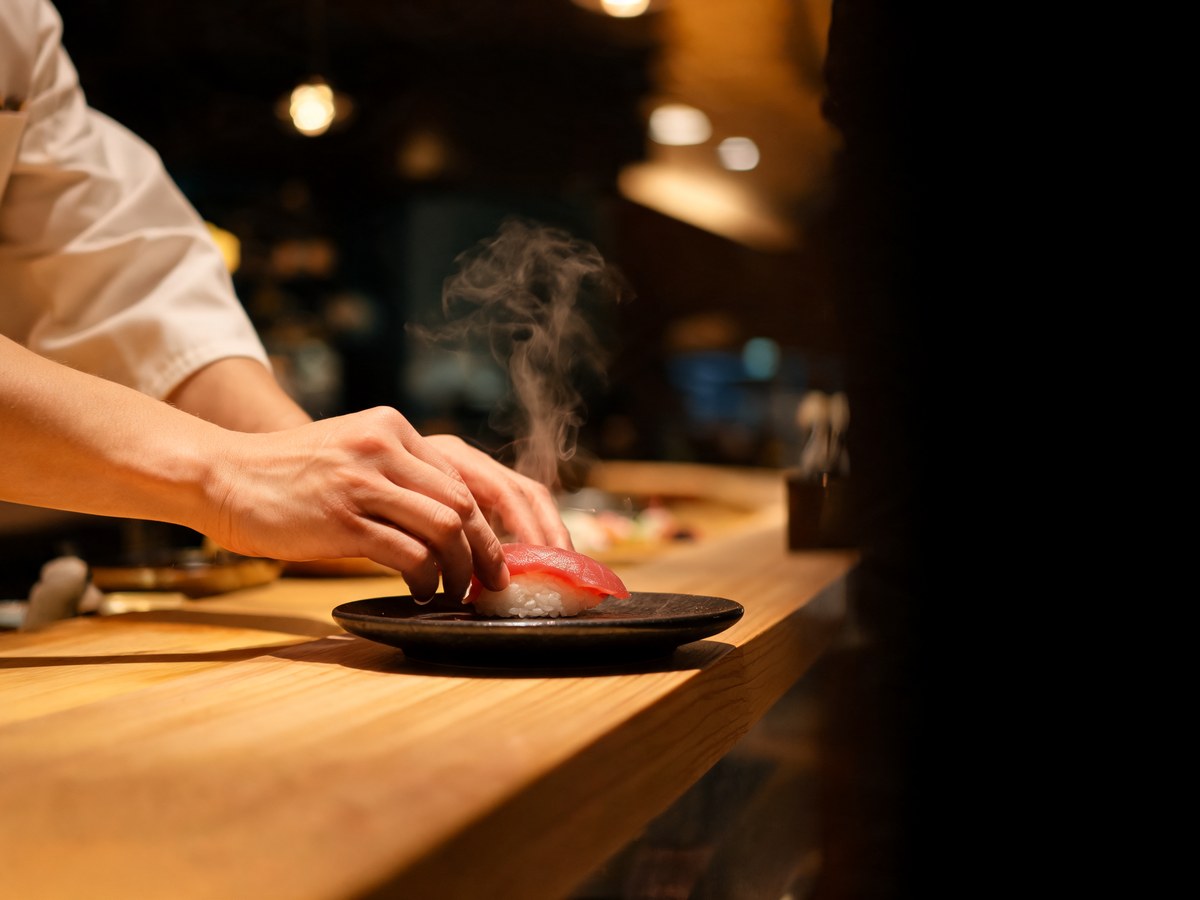
In most restaurants, you choose. You scan the menu, weigh the options, and tell the kitchen what you want. Omakase asks you to do the opposite — to set your preferences down and receive whatever the chef believes is best that day.
That surrender is the whole point. It frees the chef to serve the finest fish that arrived that morning, at the exact moment it is ready, in the order that tells a story. And it turns a transaction into something closer to hospitality between two people.
"You are not buying a meal. You are accepting a gift, and trusting the giver to know you."
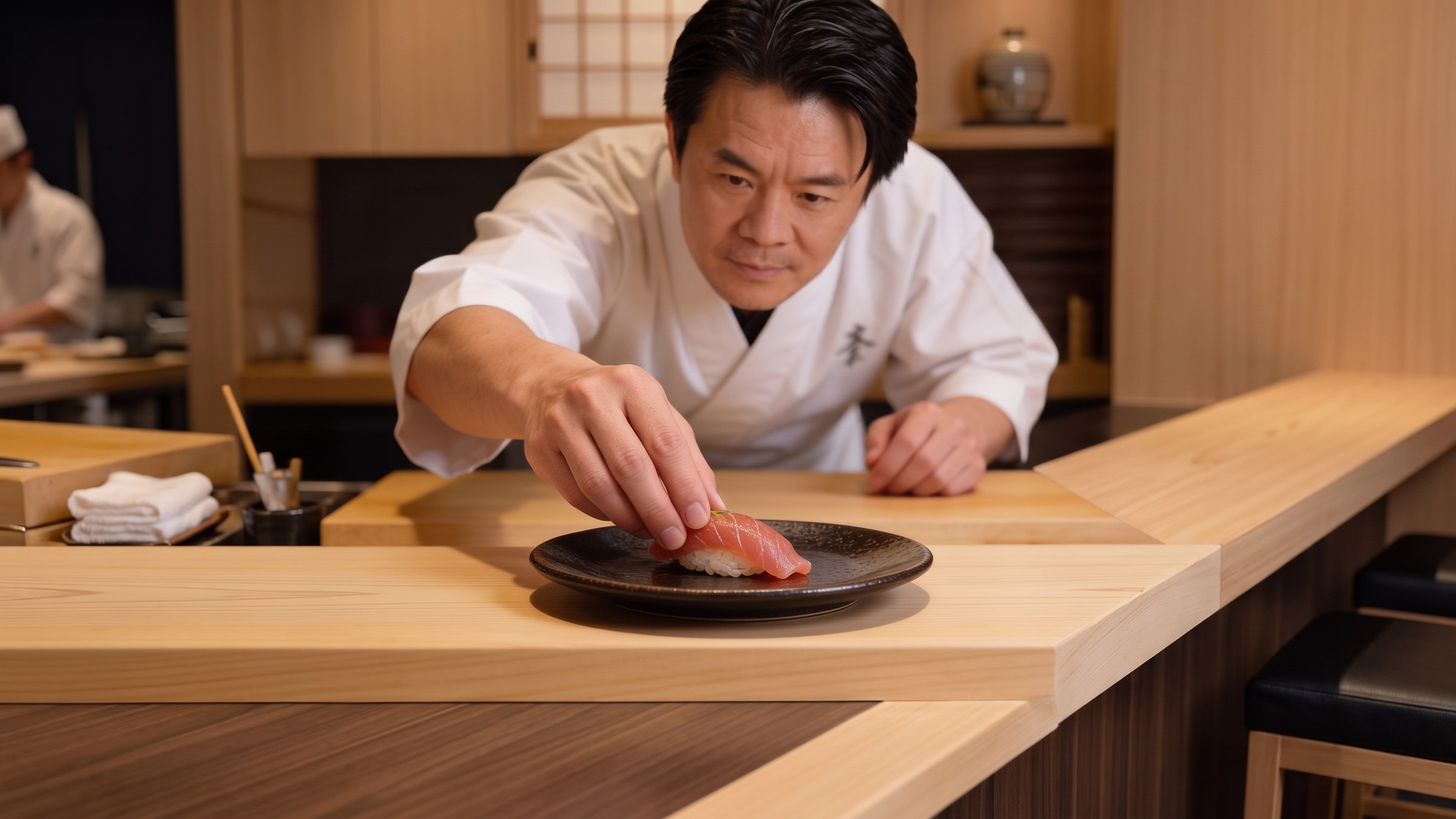
This is why omakase is served at a counter, not a table. Nothing stands between you and the person making your food. You watch their hands. They watch your face. The meal is a quiet conversation held mostly without words.
An omakase has a shape. The chef leads you through it deliberately — beginning gently, building toward richer flavors, and closing on a quiet note. Here is how the evening tends to move.
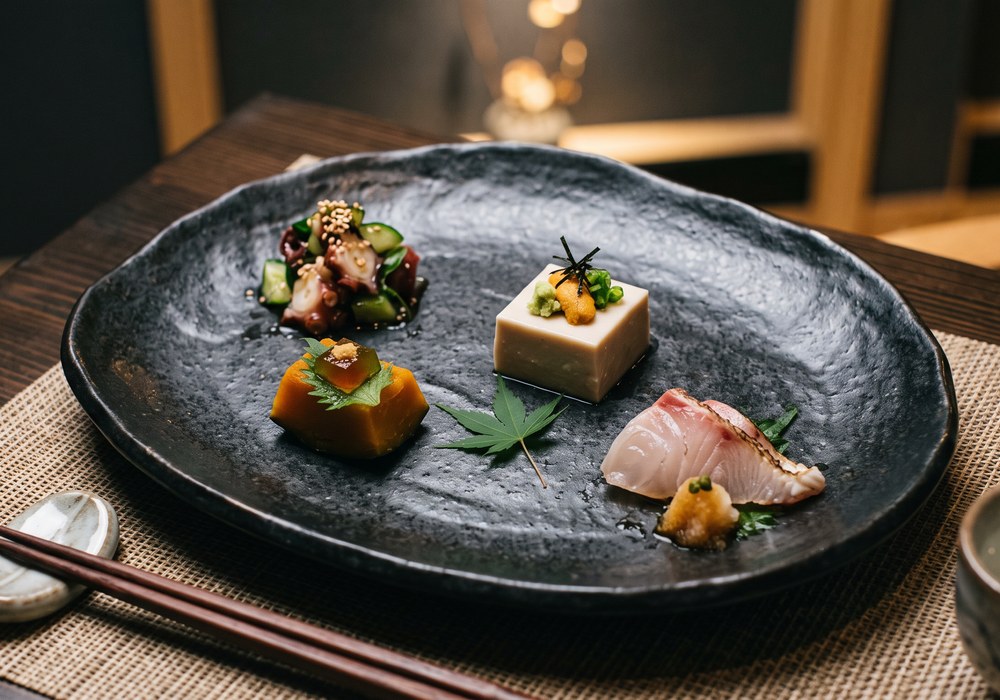
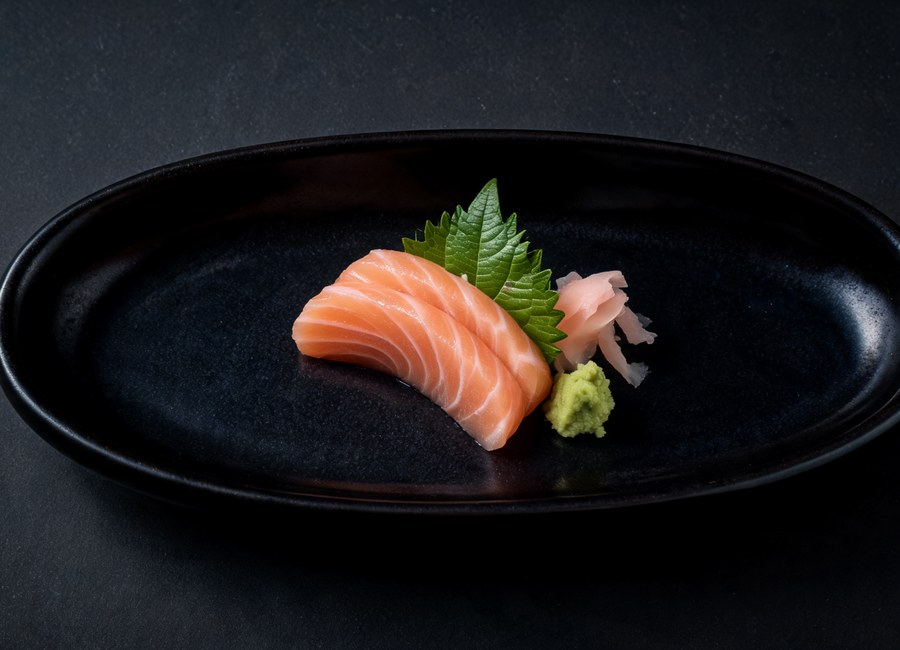
A few small, cool dishes to wake the palate — a slice of sashimi, a seasonal appetizer. The chef reads the room and sets the tempo for what follows.
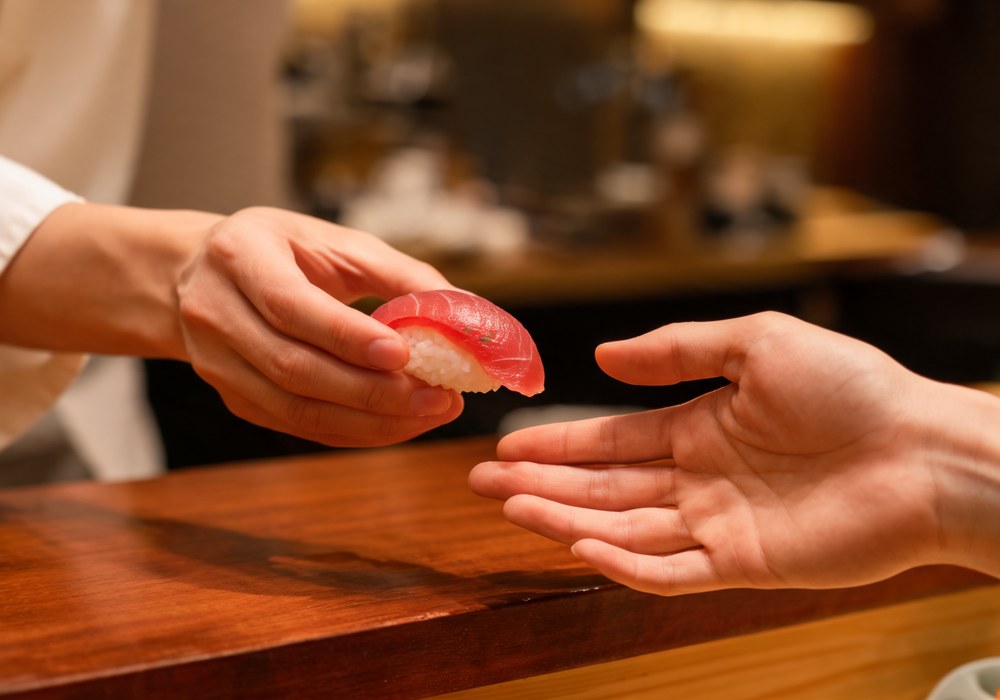
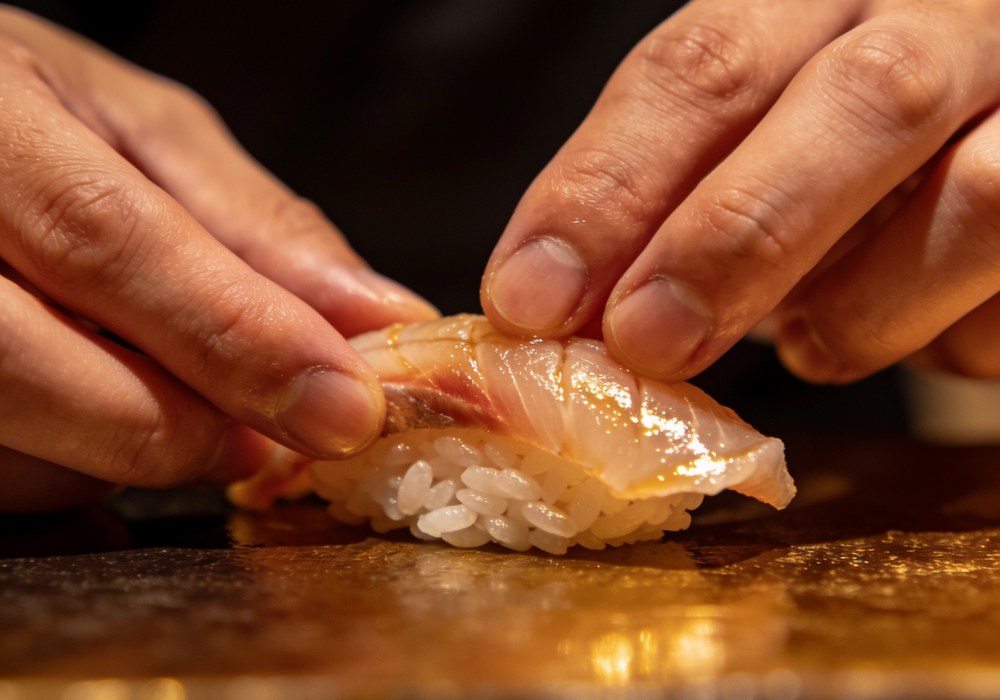
Piece after piece of nigiri arrives, handed directly to you at its peak. Lean fish gives way to fatty, delicate to bold. Eat each one the moment it lands.
A warm soup, tamago like a small custard, and something lightly sweet. The intensity settles. You leave calm, not full to bursting.
There is a word, shun, for the fleeting moment when an ingredient is at its absolute best. Omakase is built around chasing it. The same counter serves a different meal every month of the year.
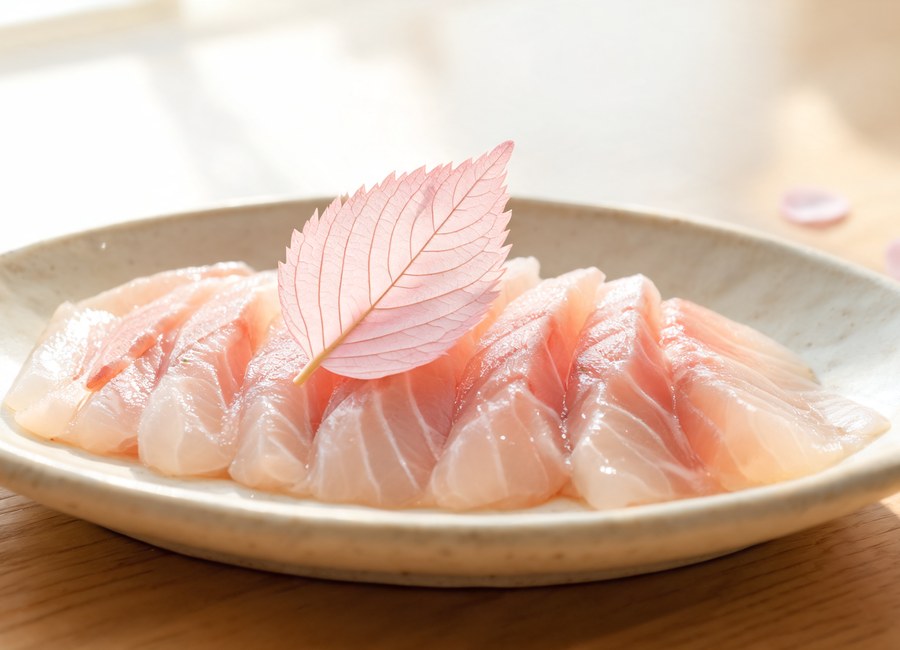
Sea bream, young bamboo, cherry-blossom leaf. Bright, tender flavors after the cold.
Cool horse mackerel, sweet abalone, uni at its richest. Food that refreshes in the heat.
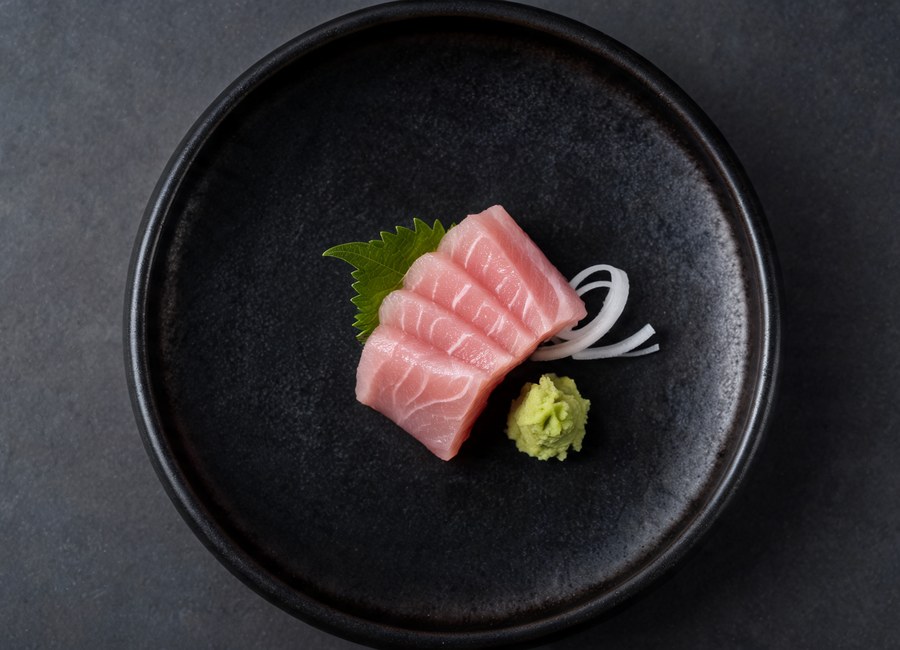
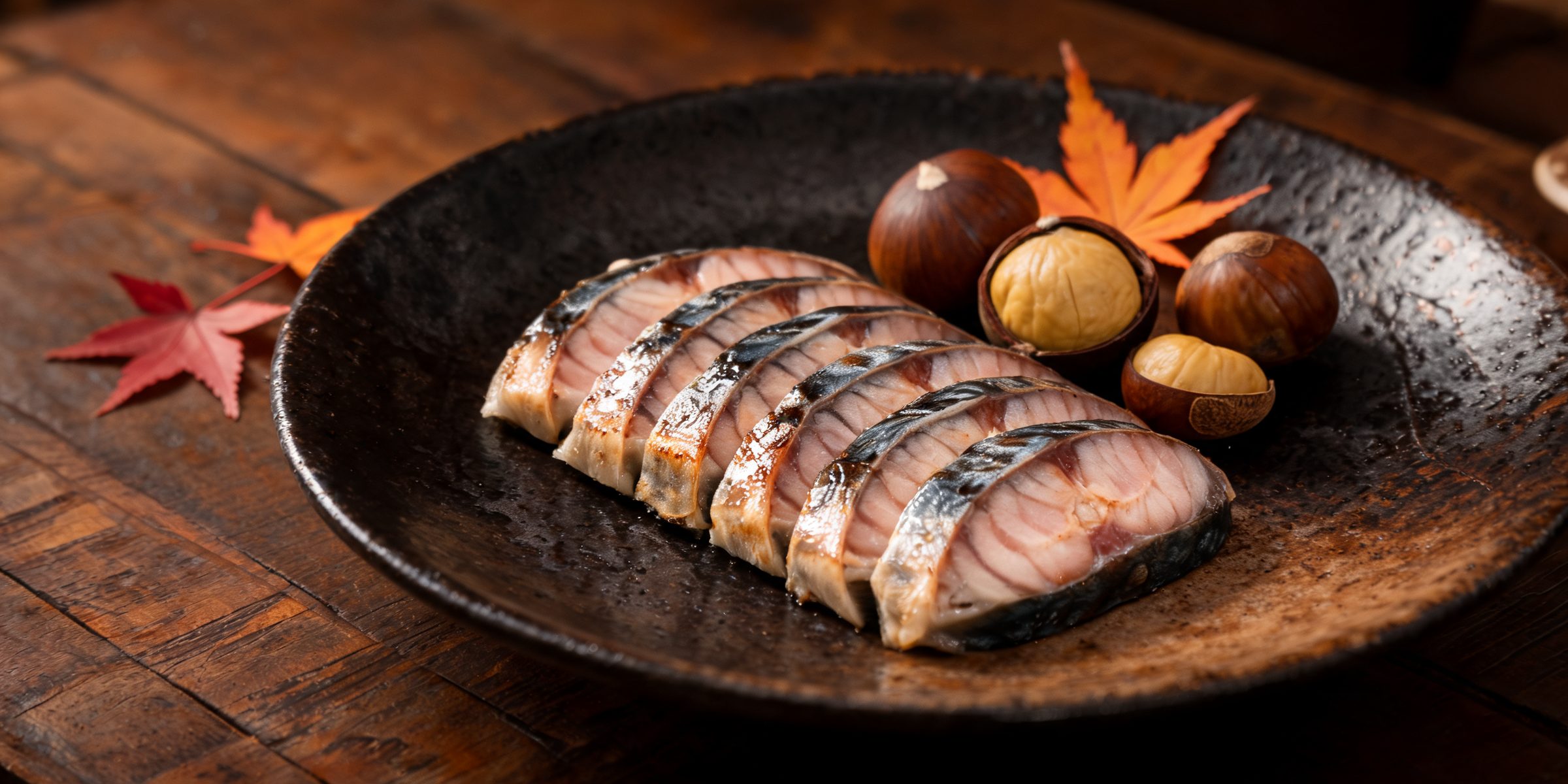
Fatty saury, mackerel, chestnut. Deeper, oilier fish as the water begins to cool.
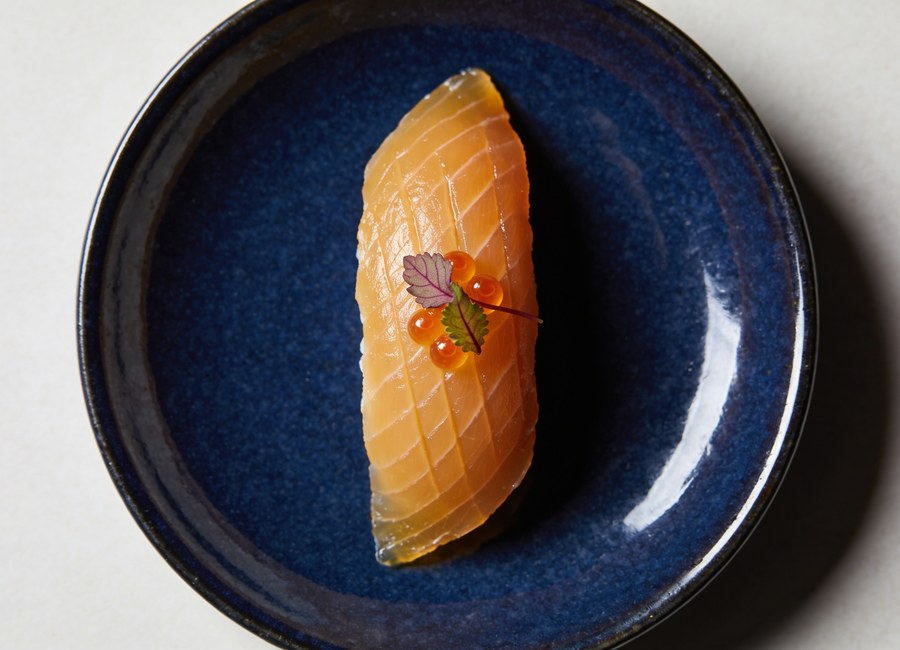
Prized fatty tuna, cold-water yellowtail, crab. The richest fish of the whole year.
None of these are tests. They are small courtesies that let the chef do their best work — and let you enjoy the meal the way it was meant to be enjoyed.
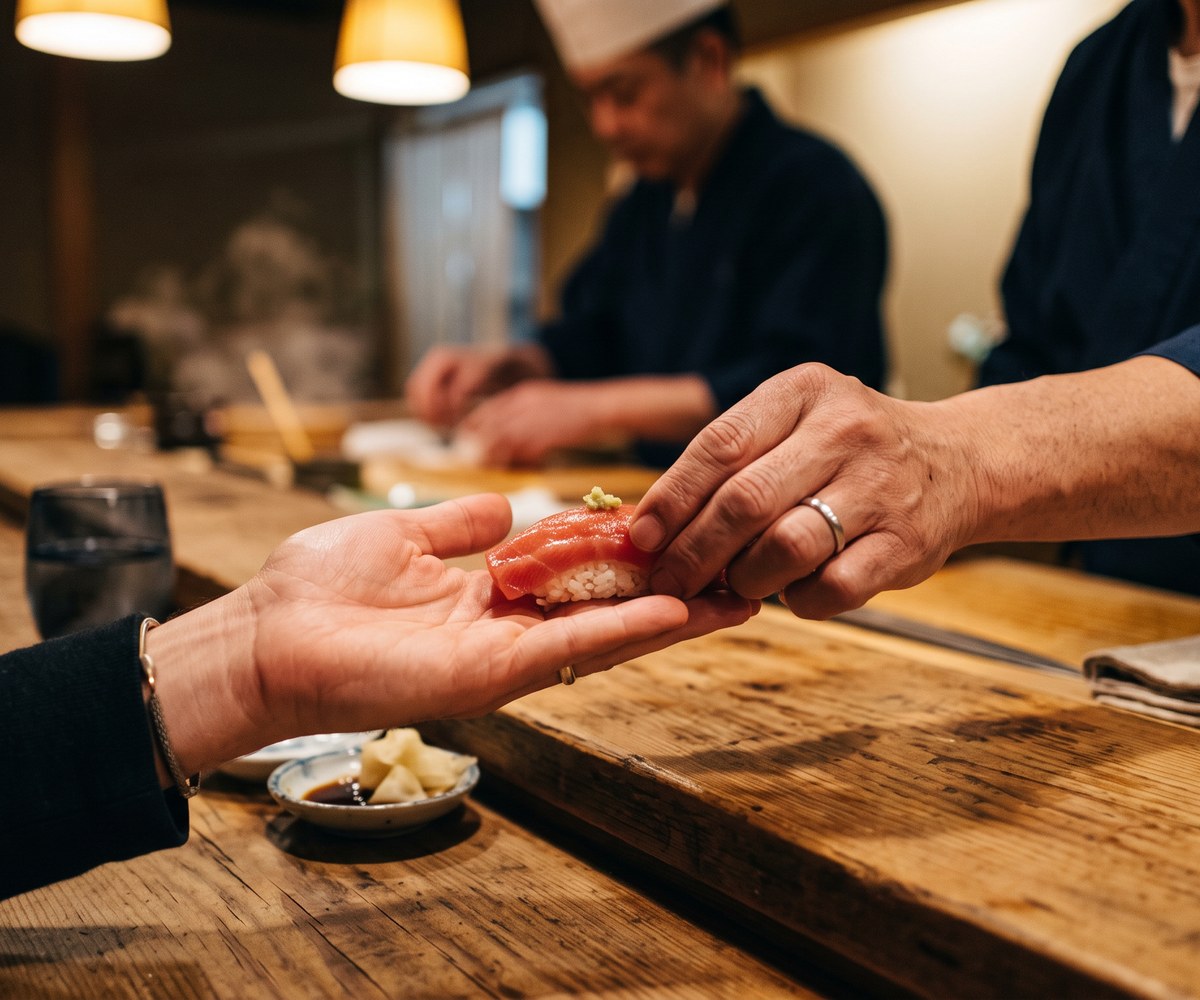
Nigiri is built to be eaten within seconds of being served — the rice still warm, the fish still cool. Don't wait to photograph it. The chef timed it for this moment.
The chef has already brushed each piece with soy, salt, or citrus exactly as intended. Ask before reaching for extra soy sauce — often none is needed.
Nigiri may be eaten with your fingers — it always has been. Chopsticks are fine too. Sashimi, by contrast, is for chopsticks.
Allergies, deep dislikes, or a pace that's too fast — say so kindly at the start. Omakase bends to you; the chef would rather know than guess.
A question about the fish, a word of thanks — this is encouraged. The counter is a conversation. Warmth is part of the meal.
"To entrust is not to give up choice. It is to choose the person you trust."The spirit of omakase
Omakase endures because it turns a meal into a relationship — one built on omotenashi, the Japanese spirit of wholehearted hospitality. The next time you hear the word, you'll know what's really being offered.
Read it again